Blog
How Often to Change Spark Plugs – Smart & Proven Engine Tips

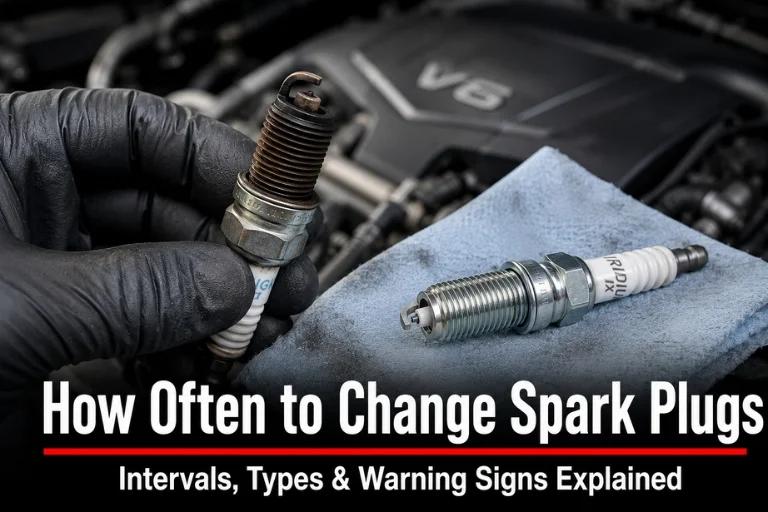
Every combustion engine depends on one small but mighty component to keep the whole system alive — the spark plug. It fires thousands of times per minute, igniting the compressed air-fuel mixture inside each cylinder to drive the pistons and generate the power that moves your vehicle. When spark plugs are fresh, the engine starts easily, runs cleanly, and delivers the power and fuel economy it was designed for. When spark plugs wear out, the consequences are immediate and wide-reaching — misfires, rough idle, poor fuel economy, hard starting, and in the worst cases, engine damage from prolonged misfires. Knowing how often to change spark plugs is one of the most fundamental pieces of maintenance knowledge any driver can have. This complete guide answers every question — how often should spark plugs be changed by plug type, what the warning signs of worn plugs look like, what happens if you ignore them, and exactly when to change spark plugs based on your specific vehicle and driving habits.
What Do Spark Plugs Do?
Before addressing how often to replace spark plugs, understanding what they do explains why their condition matters so much to overall engine health. A spark plug is a threaded metal component screwed into each cylinder head of a gasoline engine. At the tip of the plug sits an electrode separated from a grounding strap by a precisely calibrated gap — typically between 0.028 and 0.060 inches depending on the engine specification.
Every time that cylinder’s compression stroke is nearing its peak, the ignition coil sends a high-voltage electrical charge — typically between 12,000 and 45,000 volts — through the plug’s central electrode. That charge jumps across the spark gap, creating a concentrated electrical arc that ignites the compressed air-fuel mixture inside the cylinder. This controlled explosion forces the piston downward, turning the crankshaft and generating the mechanical power that ultimately moves your vehicle.
In a typical four-cylinder engine running at 2,000 RPM, each spark plug fires approximately 1,000 times per minute — over one million times every 17 hours of driving. At that firing frequency, even high-quality materials experience gradual electrode erosion and gap widening over time, which is why every spark plug has a finite, manufacturer-specified service life.
How Often to Change Spark Plugs — The Complete Interval Guide
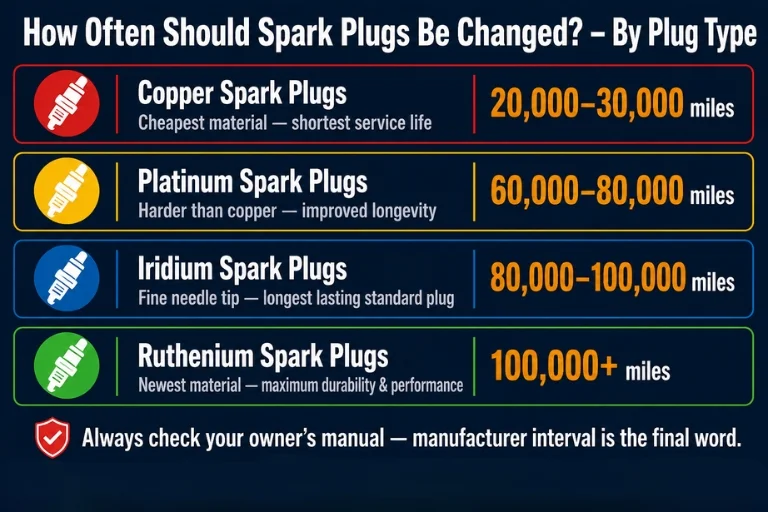
The single most important factor determining how often you should change spark plugs is the material from which the plug’s electrodes are manufactured. Different electrode materials wear at dramatically different rates, creating service intervals that range from as little as 20,000 miles to well over 100,000 miles.
Copper Spark Plugs — 20,000 to 30,000 Miles
Copper-core spark plugs with nickel alloy electrode tips are the oldest and least expensive spark plug design. Copper has excellent electrical conductivity but relatively poor resistance to the extreme heat and electrical stress of repeated firing cycles. The nickel alloy tip wears down relatively quickly, requiring the most frequent replacement interval of any plug type. Pre-1996 vehicles designed around carbureted or early fuel-injected engines often specified copper plugs, and many still do. Budget-oriented maintenance programs and older vehicles typically use copper plugs changed every 20,000 to 30,000 miles.
Platinum Spark Plugs — 60,000 to 80,000 Miles
Platinum is significantly harder than nickel alloy and withstands electrode erosion at a substantially lower rate. Single-platinum plugs feature a platinum disc welded to the center electrode, while double-platinum designs add a platinum pad to the ground electrode as well. The improved durability of platinum electrode material justifies its higher purchase price through dramatically longer service intervals, making platinum plugs the standard specification for a large proportion of modern passenger vehicles. Most manufacturers specifying platinum plugs recommend replacement every 60,000 to 80,000 miles.
Iridium Spark Plugs — 80,000 to 100,000 Miles
Iridium is six times harder than platinum and has a significantly higher melting point, allowing plug manufacturers to form the center electrode into an extremely fine needle point — typically just 0.4 to 0.6 millimeters in diameter. This fine tip requires less voltage to initiate a spark, allowing the ignition system to fire more reliably under demanding conditions and at wider spark gaps that develop as the plug ages. Most modern vehicles specify iridium plugs from the factory, and manufacturer-recommended replacement intervals for iridium plugs typically fall between 80,000 and 100,000 miles. Some manufacturers specify intervals as long as 105,000 miles or 84 months for their iridium plug-equipped engines.
Ruthenium Spark Plugs — 100,000+ Miles
Ruthenium is the newest electrode material to enter widespread use in the consumer automotive market. Offering superior resistance to wear compared to iridium, ruthenium-tipped plugs are designed for the longest service intervals currently available, with some applications targeting 120,000 miles or beyond. Ruthenium plugs are not yet universally specified as OEM equipment but are gaining adoption rapidly, particularly in higher-output turbocharged and performance-oriented engines where electrode wear rates are accelerated by higher combustion pressures and temperatures.
How Often Should Spark Plugs Be Changed — By Vehicle Type
Beyond plug material, the type of engine and how it is driven meaningfully affects how often spark plugs should be changed.
Standard Naturally Aspirated Engines
In a typical passenger car or light truck with a naturally aspirated gasoline engine — no turbocharger or supercharger — spark plugs experience moderate combustion temperatures and pressures. Manufacturer-recommended intervals generally align with the plug material specifications above. Following the owner’s manual interval is appropriate for these applications.
Turbocharged and High-Performance Engines
Forced induction engines — turbocharged or supercharged — operate at significantly higher cylinder pressures and temperatures than naturally aspirated equivalents. These elevated combustion conditions accelerate electrode erosion, meaning spark plugs in turbocharged engines often wear faster than the nominal material-based interval suggests. Many high-performance engine manufacturers specify shorter plug replacement intervals than the plug material alone would indicate, and many performance enthusiasts change plugs more frequently than the owner’s manual mandates to maintain peak ignition performance.
Small Engines and Seasonal Equipment
Lawn mowers, generators, pressure washers, and other small engine equipment typically use copper spark plugs and operate under highly variable load conditions. These applications generally benefit from annual inspection and replacement every season or every 100 hours of operation, whichever comes first.
High-Mileage Vehicles
A high-mileage engine that burns even small amounts of oil can foul spark plugs significantly faster than a fresh, properly sealed engine. Oil fouling deposits carbon buildup on the electrode and ceramic insulator tip, reducing spark intensity and triggering misfires well before the plug’s normal wear interval would otherwise require replacement.
Understanding how your engine’s overall condition affects spark plug longevity connects directly to broader engine health. For a comprehensive look at how your engine’s internal components interact, our internal combustion engine guide provides the essential technical background every informed owner needs.
When to Change Spark Plugs — Warning Signs You Cannot Ignore
Regardless of mileage, certain symptoms indicate that spark plugs need immediate inspection and likely replacement. Knowing when to change spark plugs based on performance symptoms rather than waiting for a scheduled interval protects your engine from the progressive damage that misfires and incomplete combustion cause over time.
Engine Misfires
A misfire occurs when one or more cylinders fail to ignite their air-fuel charge correctly. This produces a distinct stumble, shudder, or jerking sensation—most noticeable during acceleration or at idle. Prolonged misfires allow unburned fuel to enter the catalytic converter, where it combusts at extremely high temperatures and can permanently destroy the converter—an expensive consequence of ignoring what might have been a simple plug replacement.
Rough or Unstable Idle
A healthy engine at idle produces a smooth, consistent vibration with stable RPM on the tachometer. Worn spark plugs that fire inconsistently cause the engine to idle roughly—vibrating noticeably, with the RPM needle hunting or oscillating rather than holding steady. This symptom is particularly apparent on cold mornings before the engine reaches operating temperature, when a larger spark gap is more difficult to bridge reliably.
Hard Starting or Extended Cranking
If the engine requires more cranking time than usual before starting — particularly on cold mornings — worn spark plugs are one of the first components to suspect. As electrodes erode and the spark gap widens beyond specification, the ignition system must work harder to initiate combustion. This difficulty is most pronounced during cold starts when fuel atomization is less complete and combustion conditions are less favorable.
Reduced Fuel Economy
Incomplete combustion from worn spark plugs means the engine extracts less energy from each combustion event than it should. To compensate, more fuel is required to achieve the same power output, and the engine control module may enrich the fuel mixture to maintain performance — further reducing fuel economy. A noticeable drop in miles per gallon without any change in driving habits or conditions is a clear indicator that the ignition system — including the spark plugs — deserves inspection.
Sluggish Acceleration and Power Loss
When spark plugs fire inconsistently or with reduced intensity, the combustion events that drive the pistons are less powerful than intended. This translates to noticeably reduced throttle response, slower acceleration, and a general feeling that the engine is working harder than it should to deliver the same result. Drivers often describe this sensation as the car feeling “tired” or “flat” even though nothing else appears obviously wrong.
Check Engine Light
The engine control module monitors combustion events through the crankshaft position sensor and oxygen sensors. When misfires occur, the ECM detects the combustion anomaly and stores a diagnostic trouble code while illuminating the check engine light. Codes P0300 through P0308 correspond to random or cylinder-specific misfires, and worn spark plugs are among the most common causes. For broader check engine light diagnostics, our car shaking check engine guide helps you identify whether spark plugs or another ignition component is the source of the issue.
How to Inspect Spark Plugs — Reading What the Plug Tells You
Spark plug condition reveals valuable information about what is happening inside the combustion chamber beyond simple electrode wear. A visual inspection of removed plugs provides diagnostic clues that help identify other developing engine problems alongside worn plugs.
Normal Wear
A healthy used plug shows a light tan or grayish-brown deposit on the ceramic insulator, slight electrode wear, and a gap that has widened slightly from its original specification. This plug has reached the end of its useful service life through normal combustion chemistry.
Oil Fouling
Black, wet, oily deposits on the electrode and ceramic indicate engine oil entering the combustion chamber—through worn valve stem seals, worn piston rings, or a failing PCV system. Simply replacing the spark plugs without addressing the oil consumption source will foul the new plugs rapidly.
Carbon Fouling
Dry black carbon deposits indicate an overly rich fuel mixture—more fuel than the engine is burning efficiently. Common causes include a faulty oxygen sensor, a failing fuel pressure regulator, or a stuck-open fuel injector.
White or Blistered Insulator
A chalky white or blistered ceramic insulator indicates detonation or pre-ignition — the plug is operating at excessively high temperatures. This can be caused by incorrect plug heat range for the engine, advanced ignition timing, or cooling system problems.
Melted Electrode
A visibly melted or severely eroded electrode indicates sustained detonation or preignition at temperatures beyond the plug’s design limits. This condition requires immediate investigation of ignition timing, fuel octane rating, and engine cooling system integrity before new plugs are installed.
How Often Should U Change Spark Plugs — Practical DIY Replacement Guide
For most naturally aspirated passenger vehicles, spark plug replacement is a straightforward DIY maintenance task that requires minimal tools and delivers significant performance benefits for modest cost. Here is the practical process:
Tools Required
A spark plug socket—typically 5/8 inch or 13/16 inch — with a rubber insert that grips the plug body, a torque wrench capable of reaching the plug seat, a short extension, and a ratchet handle are the core tools needed. Anti-seize compound and dielectric grease are optional but recommended accessories.
Removal Process
Allow the engine to cool completely before beginning — installing plugs into a hot aluminum cylinder head risks thread damage and improper torque readings. Clean around each plug boot with compressed air before removing the ignition coil or wire to prevent debris from falling into the open cylinder. Remove each plug with the spark plug socket, rotating counterclockwise, and inspect the threads and electrode before setting the plug aside.
Gap Inspection
Even new spark plugs should be inspected for the correct gap before installation. Use a feeler gauge or wire-type gap tool to verify the gap matches the engine specification—typically found on the emissions label under the hood or in the owner’s manual. Pre-gapped plugs from the manufacturer are sometimes slightly off specification, and adjusting them takes only seconds.
Installation
Thread each new plug in by hand through the full extent of its threads before applying a torque wrench. Over-tightening spark plugs in aluminum cylinder heads is one of the most common DIY mistakes and can strip threads or crack the insulator. Most manufacturer specifications call for between 13 and 30 lb-ft of torque depending on the plug size and thread diameter. Apply a small amount of dielectric grease to the inside of each ignition coil boot before reconnecting.
Factors That Shorten Spark Plug Life
Several conditions and driving habits accelerate spark plug wear beyond normal manufacturer-predicted intervals:
Short Trip Driving
Frequent short trips — under five miles — that prevent the engine from reaching full operating temperature promote carbon and moisture buildup on the plug insulator, accelerating fouling and reducing effective service life.
Extended Idle Time
Prolonged idling runs the engine at low combustion temperatures that favor carbon deposit formation on plug electrodes and insulators. Delivery vehicles and rideshare drivers who spend significant time idling should inspect plugs more frequently than standard intervals suggest.
Towing and Heavy Loads
Sustained operation under heavy load increases cylinder temperatures and pressures, accelerating electrode erosion. Vehicles regularly used for towing or commercial hauling benefit from more frequent spark plug inspections than the manufacturer’s standard interval assumes.
Poor Fuel Quality
Sustained: Consistently using low-octane fuel in an engine requiring higher octane promotes detonation events that accelerate electrode erosion beyond normal wear rates. Always use the minimum octane rating specified by the manufacturer.
For comprehensive vehicle maintenance planning that accounts for all of these factors, our car maintenance checklist provides a complete service schedule that integrates spark plug intervals with every other maintenance task your vehicle requires.
Spark Plug Replacement Cost — What to Budget
Spark plug replacement costs vary considerably based on the number of cylinders, plug type, and whether professional labor is involved.
Parts Cost
Copper plugs typically cost $3 to $7 each. Platinum plugs range from $8 to $20 each. Iridium plugs cost $15 to $35 each from quality brands. For a four-cylinder engine requiring four plugs, total parts cost ranges from approximately $12 for copper to $140 for premium iridium. A V8 engine requiring eight plugs approximately doubles these figures.
Professional Labor
For most four-cylinder and V6 engines with accessible plug locations, labor typically adds $40 to $150 to the total cost. Certain V8 engines — particularly transversely mounted units or those with coil-on-plug ignition buried under intake manifolds — require significantly more labor and can push the total professional replacement cost to $300 to $500 or more.
DIY Savings
For most vehicles, changing spark plugs yourself saves the entire labor cost while requiring only basic tools and approximately one to two hours of work. The investment in a quality torque wrench and spark plug socket pays for itself across a single DIY plug change on most vehicles.
Conclusion
Understanding how often to change spark plugs, how often to replace spark plugs based on electrode material, when to change spark plugs based on symptoms, and how often should you change spark
Understanding how often to change spark plugs, how often to replace spark plugs based on electrode material, when to change spark plugs based on symptoms, and how often should you change spark plugs for your specific driving conditions is one of the most straightforward and high-value areas of vehicle maintenance knowledge any driver can have. Copper plugs need replacement every 20,000 to 30,000 miles. Platinum plugs extend that interval to 60,000 to 80,000 miles. Iridium plugs reach 80,000 to 100,000 miles or more. And ruthenium—the newest material in the market—pushes beyond 100,000 miles. Regardless of material, any time misfires, rough idle, poor fuel economy, hard starting, or a check engine light appears, inspect the plugs immediately rather than waiting for the next scheduled interval.
Fresh spark plugs are one of the lowest-cost, highest-impact maintenance investments available to any vehicle owner. Prioritize them and your engine will reward you with reliable starts, clean combustion, and the performance efficiency it was engineered to deliver for the full life of the vehicle. For more essential engine performance knowledge, explore our dedicated Honda K20 engine page and Chevy Silverado 1500 engine page for quality used powerplants available for popular engine platforms.
Frequently Asked Questions
Q1. How often to change spark plugs in a modern vehicle?
For most modern vehicles equipped with iridium or platinum spark plugs from the factory, manufacturer-recommended intervals typically fall between 60,000 and 100,000 miles. Some manufacturers specify intervals as long as 105,000 miles for premium iridium plugs. Always consult your owner’s manual for the exact interval specified for your engine and plug type.
Q2. How often to replace spark plugs if I use copper plugs?
If your vehicle uses standard copper-core spark plugs with nickel alloy electrodes, you should plan to replace them every 20,000 to 30,000 miles. Copper plugs are the least durable plug type and require the most frequent replacement interval, though they are also the least expensive to purchase and are specified by many older vehicles and small engine applications.
Q3. How often should spark plugs be changed in a turbocharged engine?
Turbocharged engines operate at higher cylinder pressures and temperatures than naturally aspirated equivalents, which accelerates electrode erosion. Many turbo engine manufacturers specify shorter plug replacement intervals than the plug material alone would suggest, and many performance enthusiasts change plugs every 40,000 to 60,000 miles, regardless of the manufacturer interval, to maintain peak ignition consistency.
Q4. How often should you change spark plugs if you notice symptoms?
If you notice misfires, rough idle, hard starting, reduced fuel economy, sluggish acceleration, or a check engine light with misfire codes, inspect the spark plugs immediately—regardless of where you are in the normal replacement interval. Symptoms indicate real performance degradation that warrants inspection rather than waiting for the next scheduled service.
Q5. When to change spark plugs—can you wait past the recommended interval?
Running plugs beyond the manufacturer-specified interval is not recommended. As electrodes wear and the spark gap widens, the ignition system must work harder to initiate combustion—stressing ignition coils, reducing fuel economy, and increasing the risk of misfires. Prolonged misfires can damage the catalytic converter, a significantly more expensive repair than a simple plug replacement.
Q6. How often should you change spark plugs for maximum fuel economy?
For maximum fuel economy, change spark plugs at or before the manufacturer’s recommended interval for your specific plug type. Fresh plugs with a properly calibrated spark gap ensure complete, efficient combustion that extracts maximum energy from every fuel injection event. Many drivers report a noticeable improvement in fuel economy immediately after replacing plugs that were approaching or past their service interval.
Q7. What happens if you never change spark plugs?
If you never change spark plugs, the electrode wears progressively, the spark gap widens beyond the ignition system’s ability to bridge it reliably, and combustion becomes inconsistent. The engine develops misfires, rough idle, hard starting, and poor fuel economy. Sustained misfires send unburned fuel into the catalytic converter, eventually destroying it. In extreme neglect scenarios, carbon deposits can cause plug seizure in the cylinder head, making removal extremely difficult without damaging threads.
Q8. How often to change spark plugs on a high-mileage engine?
On a high-mileage engine that consumes even small amounts of oil, spark plugs may need more frequent replacement than the standard interval for that plug type suggests. Oil fouling deposits carbon on the plug electrode and ceramic insulator, reducing spark intensity and triggering misfires well before normal electrode wear would require replacement. Inspect plugs annually on high-mileage engines regardless of mileage, and replace whenever fouling deposits are visible.