Used Engine for Your Vehicle

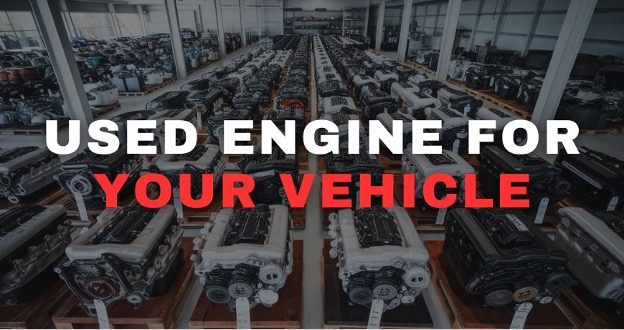
How to Choose the Right Used Engine for Your Vehicle: A Complete Buyer’s Guide
When your engine fails, the repair estimate can feel like a punch to the gut. A new engine replacement often costs $4,000 to $7,000 or more, leaving many car owners searching for more affordable alternatives. Enter the used engine market, where you can potentially save 50% to 70% on replacement costs. But buying a used engine isn’t as simple as finding the cheapest option online. The wrong choice could leave you with an expensive paperweight sitting in your garage. This comprehensive guide walks you through everything you need to know to select a reliable used engine that keeps your vehicle running for years to come.
Understanding Your Engine Replacement Options
Before diving into used engine shopping, you should understand the different types of replacement engines available and what distinguishes them.
| Engine Type | Description | Average Cost | Warranty | Best For |
| Used/Salvage | Pulled from salvage vehicles, sold as-is | $500-$2,500 | 30-90 days typical | Budget-conscious buyers willing to accept some risk |
| Rebuilt | Disassembled, worn parts replaced, reassembled | $1,500-$3,500 | 6-12 months typical | Those wanting better reliability than used |
| Remanufactured | Factory-rebuilt to original specs, extensively tested | $2,500-$4,500 | 1-3 years typical | Buyers prioritizing reliability and longevity |
| New (OEM) | Brand new from manufacturer | $4,000-$7,000+ | 3+ years typical | Maximum reliability, newer vehicles under warranty |
For most budget-conscious vehicle owners, a quality used engine offers the best value proposition. You get significant savings while maintaining reasonable reliability if you choose carefully.
Step 1: Verify Complete Compatibility
The most critical mistake in used engine shopping is buying an incompatible engine. Even engines that look similar can have crucial differences that make them unsuitable for your vehicle.
Check Your Vehicle Identification Number (VIN) Your VIN contains detailed information about your vehicle’s original specifications. Reputable sellers like Used Part Planet use VIN decoding to ensure perfect compatibility before recommending an engine. This 17-character code tells you exactly which engine your vehicle was designed to use.
Match the Engine Code Every engine has a specific code stamped on the block. This code identifies the exact engine variant, including displacement, fuel system, and performance specifications. Don’t assume that all 2.0L engines are identical. A 2.0L turbocharged engine differs significantly from a 2.0L naturally aspirated version, even in the same model year.
Consider Year and Model Variations Manufacturers frequently update engines mid-generation. A 2018 engine might not fit a 2020 model of the same car if the manufacturer made changes. Always verify the exact year range of compatible engines for your specific vehicle.
Verify Transmission Compatibility Manual and automatic transmissions often require different engine configurations. The bolt patterns, flywheel specifications, and mounting points can differ. Confirm that the used engine matches your transmission type.
Check Computer System Compatibility Modern engines integrate closely with vehicle computer systems. Ensure the engine control unit (ECU) compatibility, especially for vehicles manufactured after 2000. Some engines require specific ECU programming or complete computer system replacement.
Step 2: Evaluate Engine Condition and History
Once you’ve confirmed compatibility, thoroughly assess the engine’s condition. This step determines whether you’re buying a reliable powerplant or a future headache.
Mileage Matters, But Context Matters More Lower mileage seems better, but it’s not the only factor. A 100,000-mile engine from a highway-driven vehicle often runs better than a 60,000-mile engine from stop-and-go city driving. Highway miles are gentler on engines because they maintain consistent temperatures and RPMs.
Generally, look for engines with:
- Under 80,000 miles for excellent longevity
- 80,000 to 120,000 miles for good value and reliability
- Over 120,000 miles only if maintenance records are exceptional
Request Complete Service History Quality sellers like Used Part Planet provide detailed histories including oil change records, major repairs, and reason for removal. An engine removed due to body damage from an accident is vastly preferable to one removed because of overheating or mechanical failure.
Ask About Compression Testing Compression testing reveals internal engine health. Each cylinder should show similar compression readings within 10% of each other. Low or uneven compression indicates worn piston rings, damaged valves, or head gasket issues. Trustworthy sellers perform and share these test results.
Inspect for Leaks and External Damage Request detailed photos showing:
- Oil pan and valve covers (check for leaks)
- Timing cover (look for oil seepage)
- Head gasket area (watch for coolant traces)
- Mounting points (verify no cracks or damage)
- Sensors and wiring harnesses (ensure completeness)
Visible oil leaks aren’t always dealbreakers, but they indicate potential internal wear or poor maintenance. Fresh oil on an engine being sold raises questions about what the seller might be hiding.
Step 3: Choose the Right Seller
Where you buy your used engine matters almost as much as which engine you choose. The seller’s reputation and policies directly affect your purchase outcome.
Salvage Yards vs. Online Marketplaces vs. Specialized Dealers
Local salvage yards offer hands-on inspection opportunities but limited selection and minimal warranties. Online marketplaces like Craigslist provide cheap options but carry significant risk without buyer protection.
Specialized used parts dealers like Used Part Planet offer the best balance. They provide extensive inventories, professional inspections, warranty coverage, and customer support throughout the buying process.
What to Look for in a Quality Seller:
Transparent Policies: Clear return policies, warranty terms, and shipping information demonstrate professionalism. Avoid sellers who are vague about these critical details.
Warranty Coverage: Minimum 30-day warranties are standard, but better sellers offer 90 days to 1 year. Understand what the warranty covers. Does it include labor costs if the engine fails, or just parts replacement?
Testing and Inspection: Reputable sellers test engines before sale. Ask about their testing procedures. Do they run the engine? Perform compression tests? Check for codes?
Customer Reviews: Research the seller’s reputation through Google reviews, Better Business Bureau ratings, and automotive forums. Patterns of complaints about incorrect engines or poor customer service are red flags.
Installation Support: Quality sellers provide installation guidance, technical specifications, and troubleshooting assistance. This support proves invaluable when you’re installing the engine.
Step 4: Understand Total Cost Beyond Purchase Price
The engine’s sticker price represents only part of your total investment. Factor in all associated costs before committing.
Shipping and Handling Engines are heavy, typically weighing 300 to 600 pounds depending on size and type. Shipping costs range from $150 to $500 depending on distance and delivery speed. Some sellers like Used Part Planet offer free or discounted shipping, significantly impacting overall value.
Installation Labor Professional installation typically costs $500 to $1,500 depending on vehicle complexity and local labor rates. Front-wheel-drive vehicles with transversely-mounted engines generally cost more due to limited access. Four-cylinder engines are usually cheaper to install than V6 or V8 configurations.
Additional Parts and Fluids Budget for new gaskets, seals, timing belt or chain, water pump, oil, coolant, and other consumables. Installing these fresh components during engine replacement prevents future problems. Expect to spend $200 to $600 on these items.
Core Charges Many sellers charge refundable core deposits ($200 to $500) that you reclaim by returning your old engine. Factor this temporary cost into your budget, and understand the return requirements including shipping responsibilities and time limits.
Step 5: Verify What’s Included with Your Engine
Used engines come with varying levels of completeness. Clarify exactly what you’re receiving to avoid surprises during installation.
Long Block vs. Short Block vs. Complete Engine
A short block includes the engine block, crankshaft, pistons, and connecting rods. You must transfer cylinder heads and all accessories from your old engine.
A long block adds cylinder heads, camshafts, and valve train components. You still need to transfer external accessories.
A complete engine includes everything: intake manifold, exhaust manifolds, alternator, power steering pump, AC compressor, and all sensors. This is ideal for straightforward installation but costs more.
Essential Components Checklist:
- Engine control unit (ECU) and wiring harness
- Fuel injectors and fuel rail
- Ignition coils and spark plugs
- Sensors (crankshaft position, camshaft position, oxygen sensors)
- Throttle body
- Intake and exhaust manifolds
- Accessories (alternator, power steering pump, AC compressor)
Confirm which components are included before purchase. Missing parts can add hundreds of dollars and installation delays.
Red Flags That Should Stop You from Buying
Certain warning signs indicate an engine to avoid, regardless of price.
Seller Won’t Provide Details: Vague answers about mileage, history, or condition suggest the seller is hiding problems. Legitimate sellers provide comprehensive information.
No Return Policy or Warranty: Engines sold “as-is” with no recourse leave you completely vulnerable. The slight savings isn’t worth the massive risk.
Suspiciously Low Prices: If a deal seems too good to be true, it probably is. Extremely cheap engines often have hidden damage, incorrect compatibility, or come from unreliable sellers.
Refused Inspection or Testing: Sellers who won’t allow pre-purchase inspection or refuse to share test results likely know about problems they’re concealing.
Incomplete or Generic Photos: Stock images or photos that don’t show the actual engine you’re buying indicate a potentially unprofessional operation.
Making Your Final Decision
After researching compatibility, evaluating condition, assessing sellers, and calculating total costs, you’re ready to make an informed decision.
Create a Comparison Sheet List your top three engine options with all relevant details: price, mileage, warranty, seller reputation, shipping costs, and included components. This visual comparison clarifies which option offers the best overall value.
Ask Questions Before Committing Don’t hesitate to contact sellers with specific questions. How your questions are answered reveals much about their professionalism and the engine’s quality. Used Part Planet and other reputable dealers welcome detailed inquiries because they’re confident in their inventory.
Trust Your Instincts If something feels wrong about a deal, walk away. Plenty of quality used engines exist, and rushing into a questionable purchase creates expensive regrets.
After Purchase: Ensuring Successful Installation
Once you’ve selected and purchased your engine, proper installation practices maximize its longevity.
Use a Qualified Mechanic Unless you’re an experienced DIYer with proper equipment, hire a professional mechanic for installation. Their expertise prevents costly mistakes that void warranties or damage the engine.
Replace Wear Items Proactively Install new timing belts or chains, water pumps, thermostats, and hoses during engine installation. These components are easily accessed during the swap but become expensive repairs later.
Use Quality Fluids and Filters Break in your engine properly using high-quality oil and filters. Follow manufacturer recommendations for initial break-in procedures, typically involving varied driving conditions for the first 500 to 1,000 miles.
Document Everything Keep all receipts, warranty paperwork, and documentation about the engine’s history and your installation. This information proves invaluable for warranty claims or future resale.
Conclusion: Smart Shopping Leads to Successful Results
Choosing the right used engine requires careful research, patience, and attention to detail. By verifying compatibility, evaluating condition thoroughly, selecting reputable sellers like Used Part Planet, understanding total costs, and knowing what red flags to avoid, you can confidently purchase a quality used engine that provides years of reliable service.
The money you save compared to a new engine is substantial, but only if you invest time in making the right choice. Rush the process or cut corners, and you’ll likely face expensive consequences. Take your time, ask questions, and prioritize quality over the absolute cheapest price. Your vehicle and your wallet will thank you for years to come.
Frequently Asked Questions
How long do used engines typically last? A quality used engine with proper maintenance can last 100,000 to 150,000 additional miles or more. Lifespan depends on the engine’s mileage when purchased, maintenance history, and how well you maintain it after installation.
Should I buy a used engine with high mileage if it’s cheap? High-mileage engines (over 150,000 miles) are risky unless they have exceptional maintenance records. The initial savings often disappear when the engine needs major repairs shortly after installation. Stick to engines under 120,000 miles for better reliability.
What warranty should I expect on a used engine? Reputable sellers typically offer 30 to 90-day warranties as standard, with options for extended coverage. The warranty should cover engine failure due to internal defects, though installation errors and external damage are usually excluded.
Can I install a used engine myself? If you have mechanical experience, proper tools, and a suitable workspace, DIY installation is possible. However, engine swaps are complex procedures requiring specialized knowledge. Most people benefit from professional installation to ensure proper setup and warranty compliance.
What if the used engine doesn’t fit my vehicle? This is why buying from reputable sellers like Used Part Planet is crucial. They verify compatibility before shipping and offer returns if there are compatibility issues. Always confirm the return policy before purchasing, and verify compatibility using your VIN before installation begins.