Automatic vs. Manual Used Transmissions

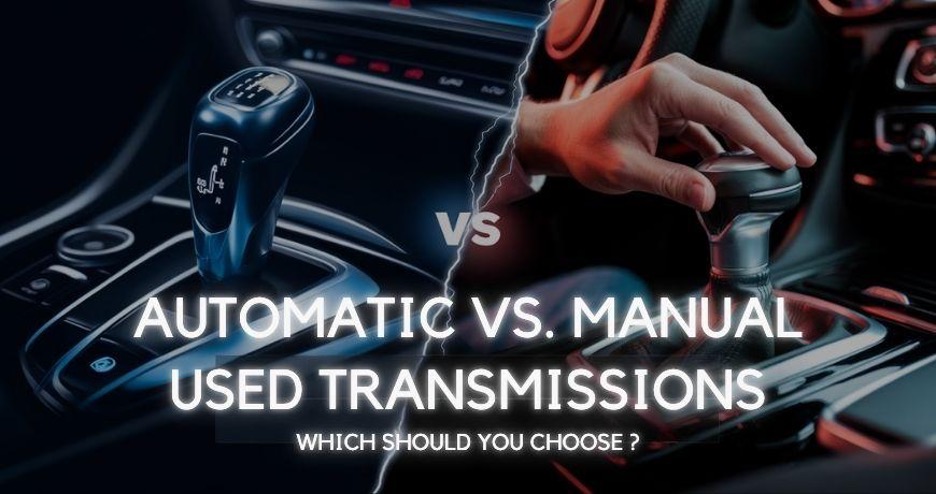
Automatic vs. Manual Used Transmissions: Which Should You Choose?
Your transmission has failed, and now you’re facing a critical decision that will impact your driving experience for years to come. Should you replace it with an automatic or manual transmission? While your vehicle’s original configuration often dictates this choice, understanding the differences between these two systems helps you make an informed decision, especially if you’re considering a transmission swap or purchasing a vehicle that needs replacement. This comprehensive guide examines the pros and cons of automatic versus manual used transmissions, covering cost, reliability, performance, maintenance, and real-world practicality to help you choose the right option for your needs.
Understanding Transmission Types and Their Mechanisms
Before diving into comparisons, let’s clarify what distinguishes these transmission systems and how they function.
Manual Transmissions Manual transmissions, also called standard or stick-shift transmissions, require driver input to change gears. You physically engage the clutch pedal and move the gear shifter to select the appropriate gear ratio. This direct mechanical connection gives drivers complete control over gear selection and engine power delivery.
Automatic Transmissions Automatic transmissions use a complex system of hydraulics, planetary gears, and computer controls to change gears without driver intervention. The transmission fluid acts as both a lubricant and hydraulic medium, automatically selecting optimal gear ratios based on speed, throttle position, and load conditions.
Modern Variations Today’s market also includes CVT (Continuously Variable Transmission), dual-clutch automated manuals (DCT), and advanced automatics with 8, 9, or even 10 speeds. For used transmission shoppers, traditional automatics and manuals remain the most common and affordable options.
Cost Comparison: Purchase Price and Long-Term Expenses
Budget considerations often drive transmission decisions, especially when buying used units from suppliers like Used Part Planet.
| Cost Factor | Manual Transmission | Automatic Transmission |
| Used Unit Price | $500-$1,500 | $800-$2,500 |
| Installation Labor | $500-$1,200 | $800-$1,800 |
| Clutch Replacement | $400-$1,200 (every 60k-100k miles) | N/A |
| Fluid Changes | $80-$150 (every 30k-60k miles) | $150-$300 (every 30k-60k miles) |
| Average Repair Costs | $300-$800 | $1,000-$3,500 |
| Total 5-Year Ownership | $2,500-$4,000 | $3,500-$6,500 |
Initial Purchase Advantage: Manual Used manual transmissions typically cost 30% to 40% less than comparable automatic units. Their simpler design with fewer components means lower manufacturing costs, which translates to cheaper used prices. When shopping at Used Part Planet, you’ll notice this price difference immediately.
Installation Costs: Manual Wins Manual transmission installation is generally less complex and time-consuming. Automatics require careful handling of torque converters, precise fluid filling procedures, and often more extensive computer programming, increasing labor costs.
Long-Term Maintenance: Manual More Affordable Manual transmissions have fewer wear items and simpler maintenance requirements. Clutch replacement represents the major periodic expense, but overall maintenance costs remain lower than automatics. Automatic transmissions require expensive fluid changes with specific synthetic fluids and may need valve body work, solenoid replacements, or torque converter rebuilds.
Repair Costs: Manual Significantly Cheaper When things go wrong, manual transmission repairs cost substantially less. Replacing a clutch runs $400 to $1,200, while automatic transmission rebuilds easily reach $2,000 to $4,000. Used replacement remains the most economical option for both, but the price gap persists.
Reliability and Longevity Considerations
Transmission longevity directly impacts your total cost of ownership and peace of mind.
Manual Transmission Durability Manual transmissions are mechanically simpler with fewer components that can fail. A well-maintained manual transmission regularly exceeds 200,000 miles. The clutch represents the primary wear item, typically lasting 60,000 to 100,000 miles with proper driving habits. Aggressive drivers may need clutch replacements more frequently, while careful drivers extend clutch life significantly.
The direct mechanical connection means less can go wrong. No complex hydraulic systems, valve bodies, or electronic solenoids exist to fail. When purchasing a used manual from Used Part Planet, you’re buying a proven, straightforward mechanical system.
Automatic Transmission Durability Modern automatic transmissions are remarkably reliable when properly maintained, but their complexity introduces more potential failure points. Solenoids, valve bodies, torque converters, and transmission control modules can all fail. Heat remains the primary enemy of automatic transmissions, degrading fluid and damaging internal components over time.
With meticulous maintenance including regular fluid changes, automatic transmissions can last 150,000 to 200,000 miles. However, neglected automatics often fail between 80,000 and 120,000 miles. When buying used automatics, maintenance history becomes critically important.
Winner for Reliability: Manual The mechanical simplicity of manual transmissions gives them a clear reliability advantage. Fewer components mean fewer potential failures and more predictable long-term performance.
Performance and Driving Experience
How the transmission affects your driving enjoyment and vehicle performance varies dramatically between types.
Manual Transmission Performance Benefits
Direct Control: Manual transmissions give you complete authority over gear selection. You decide exactly when to shift, allowing optimal engine RPM management for acceleration, engine braking, or fuel economy.
Better Acceleration: In performance applications, skilled manual transmission drivers achieve faster acceleration by selecting ideal shift points and eliminating the slight delay inherent in automatic gear changes.
Engine Braking: Downshifting provides effective engine braking on hills or during spirited driving, reducing brake wear and improving control.
Driver Engagement: Many driving enthusiasts prefer manuals for the involvement and connection they provide. Rowing through gears adds satisfaction to the driving experience.
Lighter Weight: Manual transmissions typically weigh 50 to 100 pounds less than automatics, marginally improving performance and handling.
Automatic Transmission Performance Benefits
Effortless Driving: No clutch pedal or gear shifting required means less driver fatigue, especially in stop-and-go traffic. Your left leg rests while the transmission handles gear changes automatically.
Consistent Performance: Automatic transmissions deliver predictable, smooth power delivery regardless of driver skill level. No risk of missed shifts or clutch slippage.
Modern Efficiency: Newer automatic transmissions with 8+ speeds often match or exceed manual transmission fuel economy through optimized gear ratios and lockup torque converters.
Towing Capability: Automatic transmissions handle heavy towing better, providing smooth power delivery and better heat management under sustained load.
Winner for Performance: Depends on Priorities Performance enthusiasts and those valuing driver engagement prefer manuals. Drivers prioritizing convenience, especially in urban environments, benefit more from automatics.
Fuel Economy Comparison
Fuel efficiency impacts long-term operating costs and environmental footprint.
Historical Advantage: Manual Traditionally, manual transmissions delivered superior fuel economy, often 2 to 5 MPG better than automatics. The direct mechanical connection eliminated parasitic losses from torque converters and hydraulic pumps.
Modern Reality: Nearly Equal Today’s advanced automatic transmissions with numerous gears, efficient torque converter lockup, and sophisticated computer controls often match or slightly exceed manual transmission fuel economy. The EPA fuel economy ratings for many modern vehicles show automatics performing as well as or better than manuals.
Real-World Factors Your driving style significantly impacts fuel economy regardless of transmission type. Aggressive manual transmission drivers who frequently rev high and shift late will consume more fuel than smooth automatic transmission drivers. Conversely, skilled manual drivers maximizing efficiency can outperform automatics in real-world conditions.
Winner for Fuel Economy: Tie in Modern Vehicles While older manual transmissions held clear advantages, modern vehicles show minimal fuel economy differences. When buying used transmissions, older manuals may offer efficiency benefits, while newer automatics provide comparable or superior economy.
Maintenance Requirements and Complexity
Understanding maintenance demands helps predict long-term ownership costs.
Manual Transmission Maintenance
Fluid Changes: Simple gear oil changes every 30,000 to 60,000 miles cost $80 to $150. The process is straightforward, often manageable as a DIY project.
Clutch Replacement: The major service item, required every 60,000 to 100,000 miles depending on driving habits. Costs range from $400 to $1,200 including parts and labor.
Other Services: Occasional clutch hydraulic system maintenance and shift linkage adjustments represent minimal additional costs.
DIY Friendly: Many manual transmission maintenance tasks are accessible to home mechanics with basic tools and knowledge.
Automatic Transmission Maintenance
Fluid Changes: Require specific, expensive synthetic transmission fluid every 30,000 to 60,000 miles. Full fluid flush services cost $150 to $300.
Filter Replacement: Some automatics require periodic filter changes during fluid services, adding cost and complexity.
Solenoid and Valve Body Issues: Electronic solenoids and valve bodies may require replacement or cleaning, costing $200 to $800.
Computer Programming: Some automatic transmission services require dealer-level diagnostic equipment and programming.
Professional Service Recommended: The complexity of automatic transmissions makes professional service advisable for most maintenance.
Winner for Maintenance: Manual Simpler maintenance procedures, lower costs, and DIY accessibility give manual transmissions a clear advantage in this category.
Practical Considerations for Daily Driving
Real-world usage scenarios heavily influence which transmission type suits your lifestyle.
Urban Driving and Commuting Heavy traffic, frequent stops, and constant gear changes make manual transmissions tiring in urban environments. Your left leg works continuously engaging the clutch. Automatic transmissions excel here, reducing driver fatigue and stress during rush hour commutes.
Highway Driving Both transmission types perform excellently on highways. Manuals maintain steady RPMs in top gear, while modern automatics lock their torque converters for efficient cruising. The difference is negligible for highway-focused driving.
Hilly Terrain Manual transmissions provide superior control on mountainous roads. Engine braking through downshifting and precise gear selection for climbs give manuals an advantage. Automatics may hunt between gears on hills, though manual shift modes mitigate this issue in modern units.
Towing and Hauling Automatic transmissions handle towing more effectively. They provide smoother power delivery under load and better manage heat generated during sustained towing. Manual transmissions can tow but require more skill and clutch wear increases significantly.
Winter Driving Manual transmissions offer more precise control in snow and ice. You can start in second gear to reduce wheel spin and use engine braking for controlled deceleration. However, modern automatics with winter modes and traction control systems perform admirably in winter conditions.
Driver Skill Requirements Manual transmissions demand coordination and practice. New drivers face a steeper learning curve. Automatics are universally accessible, requiring no special skills beyond basic vehicle operation.
Availability and Vehicle Compatibility
Practical considerations about finding compatible used transmissions matter significantly.
Market Availability Manual transmissions are increasingly rare in the North American market. Less than 2% of new vehicles sold in the United States feature manual transmissions. This scarcity affects used transmission availability and may increase prices for specific models despite generally lower costs.
Automatic transmissions dominate the used market due to their popularity in new vehicles. Used Part Planet and other suppliers maintain extensive automatic transmission inventories across most makes and models, ensuring easier sourcing.
Conversion Considerations Converting from automatic to manual or vice versa is technically possible but expensive and complex. You need the transmission, clutch assembly (for manual), pedal assembly, shifter mechanism, ECU programming or replacement, and potentially driveshaft modifications. Conversion costs often exceed $3,000 to $5,000 in parts and labor, making it impractical unless you’re performing the work yourself or pursuing a passion project.
Resale Value Impact In most mainstream vehicles, automatic transmissions command higher resale values due to broader market appeal. Performance and sports cars may maintain or increase value with manual transmissions due to enthusiast demand. Consider your vehicle’s market and potential future resale when choosing a replacement transmission.
Making Your Decision: Key Questions to Ask
Before committing to a transmission type, answer these critical questions:
What was your vehicle’s original transmission? Matching the original configuration is almost always the most practical and cost-effective choice. Conversions introduce complexity, expense, and potential reliability issues.
What’s your primary driving environment? Urban commuters benefit from automatics, while enthusiasts driving spirited backroads may prefer manuals. Match the transmission to your actual daily driving patterns, not idealized weekend scenarios.
What’s your mechanical skill level? Manual transmissions reward those comfortable with manual shifting and clutch operation. If you’ve never driven a manual, learning in a vehicle you depend on daily creates unnecessary stress.
What’s your long-term budget? While manuals cost less initially and for maintenance, consider your complete ownership timeline. If you keep vehicles long-term, manual transmission savings compound. Short-term owners may prioritize convenience over cost differences.
What are your performance priorities? Performance enthusiasts seeking maximum engagement choose manuals. Those prioritizing smooth, effortless power delivery prefer automatics. Be honest about what actually matters to you.
How important is resale value? If you plan to sell the vehicle within a few years, automatic transmissions typically appeal to more buyers. Performance vehicles may be exceptions to this rule.
Where to Find Quality Used Transmissions
Once you’ve decided on transmission type, sourcing a reliable used unit becomes paramount.
Choosing a Reputable Supplier Work with established suppliers like Used Part Planet that specialize in used automotive parts. They provide:
- Compatibility verification using your VIN
- Tested units with known mileage and condition
- Warranty coverage protecting your investment
- Professional customer support
- Detailed histories when available
What to Verify Before Purchase
- Exact compatibility with your vehicle’s year, make, model, and engine
- Mileage and service history
- Warranty terms and duration
- Return policy in case of compatibility issues
- Included components (torque converter for automatics, flywheel for manuals)
- Shipping costs and timing
Red Flags to Avoid
- Suspiciously low prices suggesting hidden damage
- Sellers unwilling to provide detailed information
- No warranty or return policy
- Vague or missing service history
- Poor seller reviews or reputation
Installation Considerations
Proper installation ensures your used transmission performs reliably.
Professional vs. DIY Installation Transmission replacement is among the most complex automotive repairs. Unless you have significant mechanical experience, proper tools, and adequate workspace, professional installation is strongly recommended. The cost savings of DIY installation evaporate quickly if mistakes damage the transmission or vehicle.
What to Replace During Installation For Manual Transmissions:
- Clutch disc, pressure plate, and release bearing (always)
- Pilot bearing
- Rear main seal
- Transmission fluid
- Shift linkage bushings
For Automatic Transmissions:
- Torque converter (if not included)
- Front pump seal
- Pan gasket
- Transmission filter
- All transmission fluid
- Transmission cooler lines if worn
Break-In Procedures Both transmission types benefit from gentle initial operation. Avoid aggressive driving, heavy loads, or towing during the first 500 to 1,000 miles. This break-in period allows components to seat properly and ensures long-term reliability.
Conclusion: Making the Right Choice for Your Situation
The automatic versus manual transmission decision ultimately depends on your specific circumstances, driving habits, and priorities. Manual transmissions offer lower costs, simpler maintenance, greater reliability, and enhanced driver engagement. They excel for enthusiasts, budget-conscious owners, and those who enjoy active driving involvement.
Automatic transmissions provide effortless operation, reduced driver fatigue, superior towing capability, and broader market appeal. They’re ideal for urban commuters, those new to driving, and anyone prioritizing convenience over cost savings.
For most replacement scenarios, matching your vehicle’s original transmission type makes the most sense. When sourcing your used transmission from reputable suppliers like Used Part Planet, you ensure compatibility, quality, and warranty protection regardless of which transmission type you choose.
Consider your daily driving reality, maintenance capabilities, budget constraints, and personal preferences. Neither transmission type is objectively superior; the right choice depends entirely on what matters most to you. Make your decision based on facts rather than emotions, and you’ll enjoy thousands of miles of reliable, satisfying driving.
Frequently Asked Questions
Can I convert my automatic transmission vehicle to manual or vice versa? Yes, but it’s expensive and complex, typically costing $3,000 to $5,000 or more. You need the transmission, pedal assembly, shifter, computer reprogramming, and often driveshaft modifications. Unless you’re an experienced mechanic doing the work yourself, conversion rarely makes financial sense compared to simply buying a vehicle with your preferred transmission.
Do manual transmissions really last longer than automatics? Generally yes, due to their simpler mechanical design. Well-maintained manual transmissions often exceed 200,000 miles, while automatics typically last 150,000 to 200,000 miles with excellent maintenance. However, driving habits impact longevity significantly for both types.
Will a manual transmission improve my fuel economy? In older vehicles (pre-2010), manual transmissions typically delivered 2 to 5 MPG better fuel economy. Modern automatic transmissions with 8+ speeds often match or exceed manual transmission efficiency. Real-world fuel economy depends more on driving style than transmission type in newer vehicles.
What warranty should I expect on a used transmission? Reputable suppliers like Used Part Planet typically offer 30 to 90-day warranties on used transmissions, with options for extended coverage. Always verify warranty terms before purchase, including what’s covered and any installation requirements that might affect warranty validity.
Are manual transmissions harder to find in the used market? Yes, manual transmissions are increasingly rare, especially for mainstream vehicles. Less than 2% of new vehicles sold in North America have manual transmissions, reducing used availability. However, suppliers with large inventories can usually source manual transmissions for most applications, though prices may be higher for rare configurations despite generally lower manual transmission costs.